Best Languages for Text to Speech — A Complete Guide
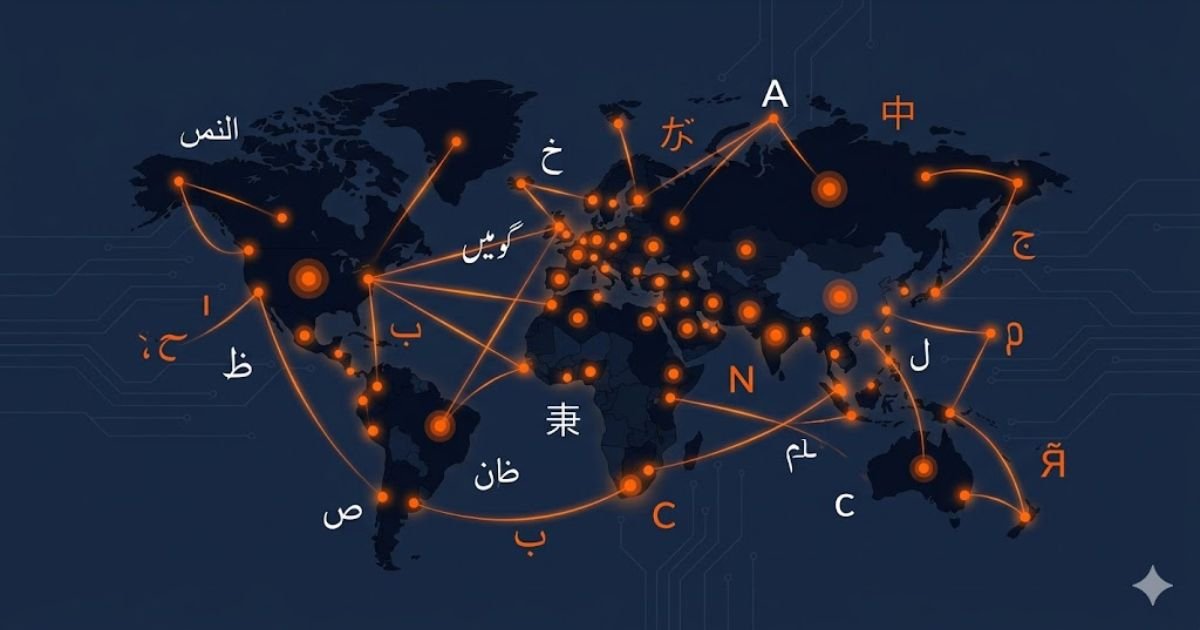
Text to speech technology has come a long way from the days when it only reliably supported English. Today, thanks to advances in neural voice synthesis and massive multilingual training datasets, TTS tools support hundreds of languages — many of them with voices that sound remarkably natural and expressive.
But not all languages are created equal when it comes to TTS quality. Some languages have been supported for decades and have dozens of high-quality voice options. Others are newer additions with fewer voices but rapidly improving quality. In this guide, we break down the best languages for text to speech in 2026 and what to look for when choosing a TTS tool for your language.
What Makes a Language "Good" for TTS?
The quality of TTS output for any given language depends on several factors.
Training Data Volume
AI voice models are trained on large datasets of human speech recordings. Languages with more training data tend to produce more natural-sounding output. Major world languages like English, Spanish, and Mandarin have benefited from enormous training datasets, resulting in exceptionally natural voices.
Linguistic Complexity
Some languages are phonetically complex, with tonal systems, complex scripts, or highly context-dependent pronunciation rules. Producing natural-sounding TTS for these languages is technically more challenging and has historically lagged behind simpler phonetic languages.
Number of Available Voices
Languages with more voice options give users greater flexibility to choose a voice that suits their content and audience. English, for example, has dozens of voice options across multiple regional accents on most major TTS platforms.
Top Languages for Text to Speech in 2026
English
English remains the gold standard for TTS quality. With decades of development and enormous training datasets, English TTS voices are exceptionally natural, expressive, and varied. Most major TTS platforms offer dozens of English voices across American, British, Australian, and other regional accents. TTSVerse offers multiple high-quality English voices including the popular en-US-JennyNeural female voice.
Spanish
Spanish is one of the most widely spoken languages in the world, and its TTS support reflects that. Both Latin American and Castilian Spanish voices are available on most major platforms, with natural intonation and clear pronunciation. Spanish is an excellent language for TTS due to its relatively consistent phonetic rules.
French
French TTS has improved dramatically in recent years. Modern French voices capture the language's distinctive rhythm and liaison patterns with impressive accuracy. Both European French and Canadian French voices are available on TTSVerse.
German
German TTS is technically strong, with clear pronunciation of the language's complex compound words and umlauts. German voices on modern TTS platforms sound natural and professional, making them well-suited for business and educational content.
Arabic
Arabic TTS has seen significant improvement with neural voice technology. Modern Arabic voices handle the language's complex morphology and right-to-left script with much greater accuracy than older systems. TTSVerse supports Arabic TTS with natural-sounding voices.
Urdu
Urdu TTS has come a long way in recent years. Powered by Microsoft Azure neural voices, TTSVerse offers natural-sounding Urdu voices that accurately capture the language's distinctive rhythm and intonation. This makes TTSVerse one of the best free options for Urdu text to speech online.
Hindi
Hindi TTS quality has improved substantially with neural voice technology. Modern Hindi voices are clear, natural, and well-suited for a wide range of content from educational material to entertainment.
Chinese (Mandarin)
Mandarin Chinese is a tonal language, which historically made it one of the most challenging for TTS systems. Neural TTS has largely solved this challenge — modern Mandarin voices accurately reproduce the language's four tones with impressive naturalness.
Japanese
Japanese TTS is technically impressive, handling the language's complex writing system — which combines three scripts — and pitch accent system with remarkable accuracy. Japanese voices on modern TTS platforms sound highly natural.
Portuguese
Both Brazilian and European Portuguese are well-supported on major TTS platforms. Brazilian Portuguese in particular has excellent voice options, reflecting the enormous size of Brazil's digital content market.
Languages That Are Rapidly Improving
Beyond the top tier, many other languages are seeing rapid quality improvements as TTS technology advances. Languages including Turkish, Korean, Polish, Dutch, Swedish, Indonesian, and Vietnamese have all seen significant quality improvements in recent years and now offer natural-sounding voices on platforms like TTSVerse.
How to Find the Best Voice for Your Language on TTSVerse
TTSVerse makes it easy to explore voices across all supported languages. Simply visit TTSVerse, select your language from the dropdown menu, and browse the available voices. Try a few different options with a sample of your text to find the voice that best suits your needs.
With over 100 languages supported and new voices being added regularly, TTSVerse is one of the most comprehensive free TTS tools available anywhere online.
Final Thoughts
The best language for text to speech is ultimately the one you need. Whether you are working in English, Urdu, Arabic, Mandarin, or any of the dozens of other languages supported by TTSVerse, you can expect high-quality, natural-sounding audio output — completely free of charge.
Visit TTSVerse — Free Text to Speech Online today and discover the voice that speaks your language. No signup required.
Try TTSVerse for Free!
Convert any text to natural-sounding audio in seconds. No signup required.
Start Converting →